
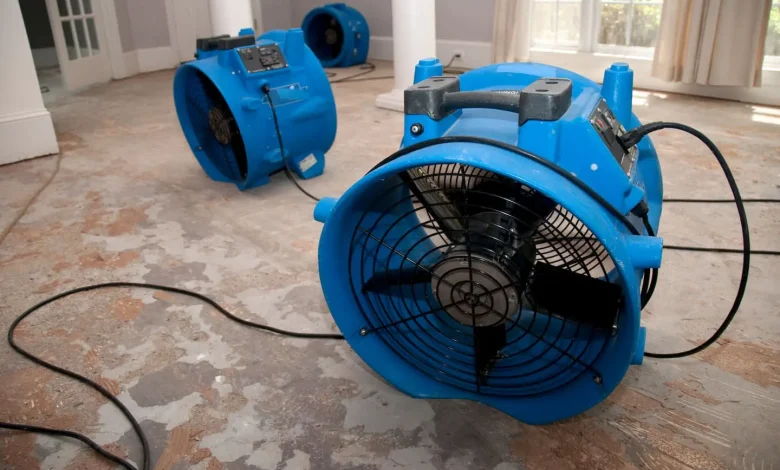
Basement flooding can cause extensive damage and costly repairs for homeowners. Effective flood control equipment stands ready to protect your property when heavy rains or groundwater issues arise. Regular attention to these systems prevents failures during critical moments and provides peace of mind throughout stormy seasons. Understanding proper care helps equipment perform reliably when it matters most.
Learning how to organize sump pump parts and accessories ensures quick access during emergencies and simplifies routine checks. Proper arrangement of hoses, floats, and backup components creates an efficient workspace around your system. This simple step reduces response time and helps identify potential issues before they develop into serious problems.
Why Basement Flood Protection Matters
Water intrusion in lower levels often leads to structural concerns, mold growth, and ruined belongings. Reliable equipment manages excess water effectively and directs it away from foundation walls. Consistent maintenance extends the useful life of these vital systems while minimizing unexpected service calls.
Understanding Your Flood Control Systems
Sump Pump Fundamentals
Sump pumps collect and expel groundwater that accumulates in basement pits. Primary units handle daily demands while backup systems activate during power outages. Both require regular testing to confirm they start automatically and discharge water properly through connected lines.
Battery Backup and Alarm Systems
Backup batteries keep pumps operational when electricity fails during severe weather. Alarms alert homeowners to high water levels or malfunctions. Checking these safety features monthly helps guarantee continuous protection against rising water threats.
Routine Inspection Guidelines
Begin by visually examining the pump, pit, and discharge pipes for signs of wear or blockages. Listen for unusual sounds during operation that might indicate motor strain or impeller issues. Test the float switch by manually raising it to verify automatic activation.
Professionals recommend annual professional inspections for a comprehensive evaluation of electrical connections and pump capacity. These assessments catch hidden problems that could compromise performance during heavy rainfall events. Homeowners benefit from combining DIY checks with expert oversight for optimal results.
In many regions, seasonal preparation becomes essential before spring thaws or hurricane seasons. Cleaning the sump pit removes debris that could clog intake screens or damage internal components. This proactive step maintains efficient water removal and prevents overflow situations.
Homeowners often search for practical guidance on how to organize sump pump setups to improve accessibility and maintenance efficiency. Arranging tools, replacement parts, and documentation nearby streamlines service visits and empowers quick troubleshooting when needed. Organized stations support consistent care routines that preserve system reliability.
Essential Cleaning and Testing Procedures
Remove sediment and debris from the sump basin using a wet vacuum or shop broom. Inspect the check valve for proper function and clear any restrictions in the discharge line. Test the entire system by introducing water to simulate rising levels and confirm proper operation.
Power and Battery Management
Battery backups require periodic charging and replacement according to manufacturer schedules. Clean terminals to prevent corrosion that could interrupt power flow during outages. Consider installing a water-powered backup pump for locations prone to frequent flooding events.
Key Maintenance Tasks for Flood Control Equipment
- Test the sump pump operation monthly by pouring water into the pit
- Check discharge lines for blockages and proper slope away from the home
- Inspect battery backups and replace every three to five years
- Clear debris from the sump pit every three months
- Verify float switches move freely without obstruction
- Monitor for unusual vibrations or noises during cycles
Common Problems and Solutions
Clogged inlet screens reduce pumping efficiency and strain the motor. Regular cleaning prevents this issue and maintains strong water flow. Frozen discharge pipes in cold climates need insulation or heat tape for reliable winter performance.
Float switches sometimes stick due to mineral buildup or debris. Gentle cleaning with a vinegar solution often restores smooth movement. Replacing worn switches proactively avoids unexpected failures during critical flooding periods.
Advanced Protection Strategies
Consider installing a secondary sump pump for redundancy in high-risk areas. Water alarms connected to smartphone notifications provide immediate alerts regardless of location. Sump pump covers reduce debris entry while allowing easy access for service.
Proper grading around the foundation directs surface water away from the basement walls. Combining this exterior measure with interior equipment creates comprehensive flood defense. Regular evaluation ensures all components work together effectively.
Seasonal Preparation Tips
Before heavy rain seasons, thoroughly test primary and backup systems under load. Replace worn hoses and fittings to prevent leaks during operation. Stock spare parts like impellers or switches to minimize downtime if issues arise.
After major storms, inspect damaged equipment and clear any accumulated silt. Professional servicing after significant events helps restore full capacity and identify stress-related wear. This attention keeps systems prepared for future challenges.
Long-Term Equipment Management
Document maintenance activities and service dates to track performance patterns over the years. This record helps predict replacement timing and supports warranty claims when needed. Quality components paired with diligent care deliver excellent return on investment through extended service life.
Understanding local groundwater conditions and soil types informs appropriate equipment selection and maintenance intensity. Homes in flood zones may require more frequent attention than those in drier areas. Customizing care routines to specific property needs optimizes protection.
Professional Support and When to Call Experts
While many tasks suit DIY efforts, complex electrical work or persistent issues benefit from licensed professionals. Certified technicians bring specialized tools and experience to diagnose subtle problems accurately. Their expertise ensures repairs meet safety codes and manufacturer specifications.
Sustaining a Dry and Secure Basement
Effective basement flood control relies on consistent attention to sump pumps, backups, and related systems. Following these best practices prevents water damage, reduces repair costs, and protects your home’s foundation. Regular testing, cleaning, and organization create reliable performance when storms arrive. By implementing these strategies, homeowners gain confidence in their flood protection setup and enjoy drier, safer living spaces for years ahead.


