Living in a region with harsh, freezing winters introduces unique architectural and interior design challenges. When outdoor temperatures drop into sub-zero territory, the interior of your home becomes your primary sanctuary. One of the most significant factors influencing how cozy and welcoming your living spaces feel during these frigid months is the flooring beneath your feet. Walking across a cold, unyielding floor on a winter morning can instantly ruin the comfort of your home, regardless of how high you turn up your thermostat.
Choosing the right flooring for cold climates requires balancing multiple performance factors. You need materials that retain heat effectively, feel comfortable against bare skin, withstand moisture tracked in from snow and ice, and maintain structural stability amidst fluctuating indoor heating cycles. Whether you are building a mountain cabin, renovating a historic northern home, or simply looking to upgrade your living environment for maximum winter comfort, understanding the top flooring options will help you make an informed investment.
The Science of Thermal Comfort in Flooring
Before evaluating specific materials, it helps to understand why certain floors feel freezing while others feel warm. Thermal comfort depends on two primary scientific properties of a material: thermal conductivity and thermal capacity.
-
Thermal Conductivity: Materials with high thermal conductivity, such as natural stone and ceramic tile, rapidly pull heat away from your feet. Because your skin is warmer than the stone, the material absorbs your body heat, making it feel intensely cold.
-
Thermal Capacity and Insulation: Materials with low thermal conductivity, such as cork, wood, and thick carpets, act as natural insulators. They trap air pockets within their cellular structure, preventing heat transfer and allowing the surface temperature to remain close to the ambient room temperature.
When designing a cold-climate interior, you must prioritize low-conductivity materials or pair high-conductivity surfaces with supplemental heating systems to maintain a warm environment.
Engineered and Solid Hardwood for Natural Warmth
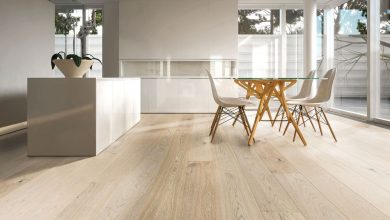
Wood has remained a timeless favorite for residential interiors for centuries, and its natural thermal properties make it an exceptional choice for cold climates. Unlike stone or concrete, wood does not rapidly draw heat away from the body, meaning it feels neutral and comfortable to walk on barefoot even when outdoor temperatures plunge.
-
Engineered Hardwood Stability: In northern climates, winter heating systems dry out indoor air significantly, causing traditional solid wood to shrink and form gaps. Engineered hardwood features a cross-grained multi-ply core that provides superior dimensional stability, allowing the planks to resist seasonal humidity shifts without warping.
-
Rich Aesthetic Appeal: Darker wood species such as walnut, antique oak, or stained hickory absorb and reflect light in a way that visually warms up a room, creating a cozy psychological atmosphere that counteracts dreary winter days.
-
Subfloor Compatibility: Hardwood can be installed over plywood subfloors with relative ease, and select engineered wood lines are fully compatible with modern hydronic or electric radiant heating systems.
Luxurious Cork Flooring for Ultimate Softness
If your primary goal is maximizing warmth, softness, and acoustic insulation, cork flooring stands out as an unbeatable contender for cold-weather homes. Harvested from the renewable bark of the cork oak tree, this material is composed of millions of microscopic air-filled chambers that act as a natural thermal barrier.
-
Superior Heat Retention: Because cork is mostly trapped air, it possesses exceptional insulation properties. It never feels cold to the touch and retains ambient room heat remarkably well.
-
Ergonomic Cushioning: The cellular structure of cork gives it a natural springiness. Standing in the kitchen preparing winter stews or walking through hallways barefoot is significantly easier on your joints and spine compared to walking on rigid tile.
-
Moisture Management: When properly sealed with a polyurethane or UV-cured finish, cork resists liquid spills and dampness from wet boots, making it practical for mudrooms and entryways located in snowy regions.
High-Quality Wool Carpeting for Bedroom and Living Zones
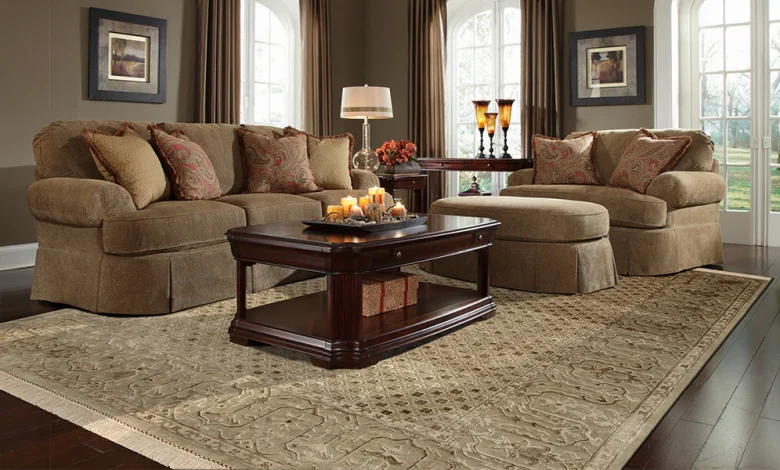
Nothing compares to the deep, tactile comfort of wall-to-wall carpeting or thick area rugs when winter winds howl outside. While synthetic carpets have their place, natural wool carpeting reigns supreme for cold-climate applications due to its superior performance profile.
-
Natural Insulation Value: Wool fibers possess natural crimp that traps stagnant air, providing an exceptionally high R-value insulation rating for your floors. It keeps the warmth inside your living spaces rather than letting it bleed down into unheated crawlspaces or concrete subfloors.
-
Humidity Regulation: Wool is a hygroscopic fiber, meaning it can absorb and release indoor moisture vapor without feeling damp. During dry winter months, wool helps stabilize indoor air humidity while maintaining a cozy, soft surface texture.
-
Durability and Resilience: The natural elasticity of wool fibers allows carpet pile to bounce back vigorously under heavy furniture and frequent winter foot traffic, preventing high-traffic pathways from looking matted and worn down.
Luxury Vinyl Plank Flooring for Wet Entryways and Mudrooms
Cold climates bring snow, slush, salt, and mud that inevitably end up tracked across your entryways and main living corridors. While natural wood and carpet offer incredible warmth, they require careful maintenance when exposed to melting snow and moisture. Luxury vinyl plank flooring provides a resilient, waterproof alternative that bridges the gap between performance and aesthetic warmth.
-
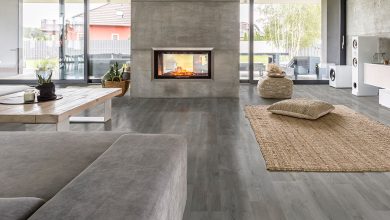
Embossed Wood Textures: Modern manufacturing techniques allow luxury vinyl planks to feature deeply embossed surface textures that mimic the warm visual appearance of real oak, pine, or stone.
-
Softer and Warmer Than Tile: Unlike cold ceramic tile or stone slabs, luxury vinyl features a composite core that feels significantly warmer and more forgiving underfoot during winter months.
-
Zero Moisture Vulnerability: Vinyl is 100 percent waterproof, meaning melting snow sitting in a mudroom or hallway will not cause the planks to swell, buckle, or rot.
Integrating Radiant Floor Heating Systems
Regardless of which surface material you ultimately choose, the gold standard for achieving total indoor warmth in freezing climates is integrating a radiant floor heating system beneath your floors. Radiant heating transforms your entire floor surface into a gentle, low-temperature radiator that warms objects and people directly rather than blowing dry, heated air through ductwork.
-
Electric Mat Systems: Ideal for smaller spaces like bathrooms or entryways, electric heating cables can be rolled out easily beneath tile or luxury vinyl installations.
-
Hydronic Tubing Systems: For whole-house renovations or new construction, running hot water through PEX tubing beneath engineered hardwood or specialized tile floors provides energy-efficient, luxurious warmth that eliminates cold spots entirely.
Frequently Asked Questions
Can I install radiant floor heating beneath solid hardwood floors in a cold climate?
Installing radiant heat beneath solid hardwood is generally risky because rapid temperature fluctuations can cause solid timber to cup, split, or develop severe gaps. Engineered hardwood or specialized thin-profile wood lines are much safer and more stable choices for radiant heating applications.
How does cork flooring hold up against heavy winter snow boots and moisture?
Cork handles moderate moisture quite well if it is finished properly with a durable polyurethane coat, but standing water from melting snow should not be left to pool on the surface. Using high-absorbency mats in entryways prevents excessive water exposure on cork or wood floors.
Is wall-to-wall carpeting practical for high-traffic northern hallways?
Wool or high-density nylon loop carpeting works wonderfully in cold hallways, provided you choose a durable construction style like a Berber or patterned cut-pile. Regular vacuuming and professional steam cleaning once a year will easily remove winter salt stains and tracked-in grit.
What is the most energy-efficient flooring material for retaining indoor heat?
Cork and thick wool carpeting tie for the highest energy efficiency when it comes to retaining indoor heat. Their dense cellular structures prevent thermal energy from escaping downward through the subfloor, lowering your home heating energy demands.
How can I make cold ceramic tile feel warmer in a winter bathroom?
If you already have tile installed in a cold room and cannot replace it, layering plush, high-pile cotton bath mats over primary standing areas and installing toe-kick space heater vents can dramatically improve your comfort.
Does luxury vinyl flooring expand or contract during extreme seasonal temperature swings?
High-end rigid core luxury vinyl flooring features dimensional stability layers designed to resist extreme temperature shifts, though clicking systems still require proper expansion gaps around room perimeters during installation to prevent buckling.
What is the best way to clean winter salt residue off hardwood and vinyl floors?
To remove abrasive de-icing salt residue without damaging your floor finish, mix a few drops of dish soap with warm water, dampen a microfiber mop thoroughly, and wipe the area clean before drying the surface immediately with a soft towel.