
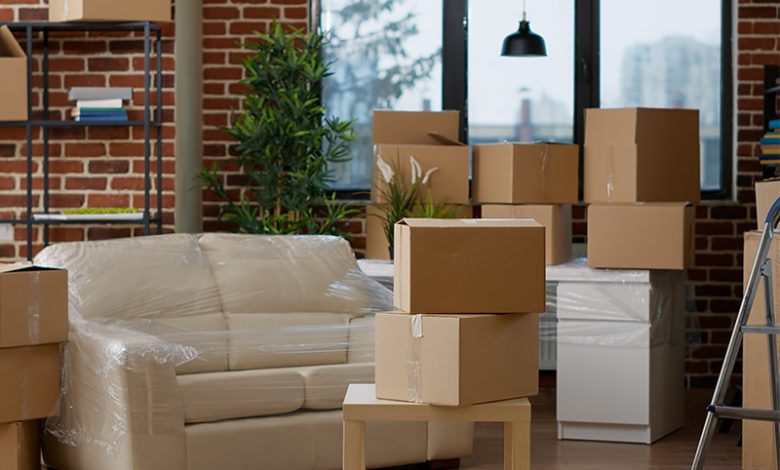
Relocating from one home to another is rarely a straight line. Whether you are caught in a gap between selling your old house and closing on a new build, undergoing an extensive whole-home renovation, or navigating an unexpected corporate job transfer, a temporary living situation is a common reality. Finding yourself living in a furnished corporate apartment, crashing with family members, or staying in an extended-stay hotel while your entire household inventory remains packed in boxes introduces a massive logistical challenge.
Managing your belongings during this interim period requires a strategic approach to off-site and on-site storage. Without a clear plan, you risk losing track of essential items, paying exorbitant fees for units larger than you actually need, or subjecting your valuable furniture to improper environmental conditions. Evaluating your storage options, understanding how to pack for temporary transitions, and choosing the right facility setup ensures that your relocation remains organized and stress-free.
Assessing Your Short-Term Storage Requirements
Before renting the first storage unit you find online or cramming boxes into a relative garage, you need to conduct a thorough inventory audit. Not all belongings require the same type of storage environment during a temporary move.
-
Separate Essentials from Long-Term Inventory: Divide your packed boxes into two distinct categories. The first category includes daily essentials, work equipment, vital documents, and seasonal clothing that you will need during your temporary stay. The second category comprises furniture, bulky appliances, and non-essential decor that can go directly into storage.
-
Calculate Required Square Footage: Do not guess your storage unit size. A studio apartment or a one-bedroom home typically fits into a five-by-ten or ten-by-ten foot storage unit, whereas a three-to-four-bedroom house usually demands a ten-by-twenty foot unit to ensure boxes are accessible without stacking them to the ceiling dangerously.
-
Determine the Expected Duration: Be realistic about your timeline. If your interim period is only two weeks, temporary pod containers dropped in a driveway might offer more convenience than a traditional self-storage facility. If your gap spans six months, a climate-controlled indoor unit is usually the safer financial and logistical bet.
Traditional Self-Storage Facilities
Traditional self-storage facilities remain the most common option for movers needing a secure, accessible place to house their belongings during an interim transition. These facilities offer varying security levels and unit dimensions.
-
Drive-Up Outdoor Units: These ground-floor units allow you to pull your moving truck directly up to the roll-up door, making heavy lifting and rapid unloading much easier. However, they are susceptible to outdoor temperature swings and humidity changes.
-
Indoor Climate-Controlled Units: If you are storing wooden furniture, musical instruments, electronics, leather sofas, or fine art, a climate-controlled unit is essential. These indoor spaces maintain stable temperature and humidity ranges year-round, preventing wood warping, mold growth, and glue degradation.
-
Security Features to Look For: Choose a facility that features 24-hour video surveillance, electronic gate access with individualized PIN codes, perimeter fencing, and well-lit interior hallways.
Portable Storage Containers and Mobile Pods
For homeowners who want to eliminate the double-handling of loading a moving truck, driving to a storage facility, and unloading into a unit, portable storage containers provide a streamlined alternative.
-
Direct Delivery to Your Driveway: The container company drops a sturdy, weather-resistant mobile pod directly onto your driveway or designated street parking space.
-
At-Your-Own-Pace Packing: You can load the container over the course of several days or weeks, removing the high-pressure rush of a traditional moving day.
-
Secure Transit and Storage: Once loaded, the company can either pick the container up and store it in their secure warehouse facility until you are ready for delivery, or transport it directly across the country to your new home address.
On-Site Storage Alternatives During Renovations
If your temporary relocation is due to a major home remodel rather than a cross-country move, you may want to keep your belongings on your property to maintain easy access to certain tools or furniture pieces.
-
On-Site Storage Pods: Renting a mobile storage container to sit in your yard throughout a renovation gives you immediate access to your items without driving across town to a commercial storage yard.
-
Off-Site Pod Warehousing: If yard space is limited or municipal codes prohibit parked containers on streets, many mobile pod companies will store your loaded container at their secure local facility until construction wraps up.
-
Renting a Local Garage Space: In some cases, reaching out to neighbors or local property owners to rent a vacant garage or secure outbuilding for a few months provides a cost-effective alternative to commercial facilities.
Smart Packing Strategies for Interim Storage
Packing boxes for a temporary move requires a different mindset than packing for a standard direct move. Because your items will sit in a static unit, accessibility and organization are paramount.
-
Create a Master Inventory List: Number every box and maintain a digital or physical inventory spreadsheet detailing what category of items is inside each box. This saves you from tearing open twenty different boxes just to find a specific winter jacket or kitchen pan.
-
Leave a Central Walkway: When loading your storage unit or pod, avoid stacking boxes wall-to-wall with zero breathing room. Leave a small center aisle down the middle so you can walk into the unit and retrieve specific items without unstacking the entire room.
-
Pack Essentials Separately: Keep your immediate transition suitcases and daily necessities in your temporary vehicle or a clearly marked zone near the front of the storage unit door so you can grab them instantly.
Frequently Asked Questions
How do I prevent mold and mildew from growing on furniture in a storage unit?
To prevent mold, ensure all items are completely dry before packing them into boxes. Avoid storing damp linens or wooden furniture straight from a humid garage. If the facility is not climate-controlled, place moisture-absorbing desiccant canisters or silica gel buckets throughout the unit to capture excess ambient humidity.
What size storage unit do I need for a three-bedroom house move?
A three-bedroom house typically requires a ten-by-twenty foot storage unit. This size provides approximately two hundred square feet of floor space, which is enough to hold major furniture sets, appliances, and roughly one hundred standard moving boxes when packed efficiently.
Is it cheaper to use a portable storage container or rent a traditional self-storage unit?
Traditional self-storage units are usually cheaper on a monthly rental rate basis, especially for short-term needs. However, portable storage containers often save money overall by eliminating truck rental fees, fuel costs, and the double labor of loading and unloading a truck twice.
Can I store electronics and leather furniture in an outdoor drive-up storage unit?
Storing electronics and leather furniture in a standard outdoor drive-up unit is risky during extreme weather seasons. Rapid temperature swings and high humidity can cause internal condensation in electronics, cracking in leather, and severe warping in wooden furniture frames, making a climate-controlled unit necessary.
How should I stack boxes in a temporary storage unit to prevent crushing?
Always place heavy, sturdy boxes filled with books or dense kitchenware on the bottom tier. Lighter boxes containing clothing, linens, or plastic toys should sit on top. Never stack fragile glass boxes underneath heavy loads, and distribute weight evenly across wooden pallets if your concrete floor is prone to dampness.
What items are strictly prohibited from being placed in a standard storage unit?
Commercial storage facilities prohibit hazardous, flammable, or toxic materials. This includes gasoline, propane tanks, fireworks, corrosive chemicals, perishable food items, and live plants or animals that could attract pests or ruin neighboring units.
How far in advance should I reserve a storage unit during peak moving season?
During peak moving season, which runs from late spring through early autumn, you should reserve your storage unit or portable container at least four to six weeks in advance to secure your preferred size and location.