
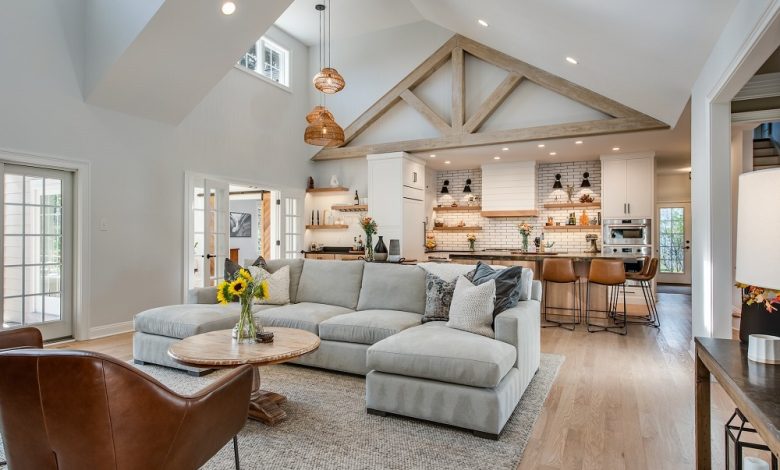
Living in a compact home, apartment, or tiny house presents unique architectural and spatial challenges. When square footage is limited, every single square inch matters. Poorly planned layouts, bulky furniture, and inadequate storage can make even a moderately sized room feel cramped, claustrophobic, and disorganized. However, small-space living does not mean you have to sacrifice style, comfort, or functionality. In fact, compact spaces often encourage more intentional, creative design choices that maximize efficiency and create a deeply personalized environment.
Transforming a small area requires shifting your design perspective from horizontal to vertical, prioritizing multi-functional elements, and eliminating unnecessary clutter. Whether you want to make a tiny bedroom feel like a spacious retreat, optimize a galley kitchen, or turn an unused hallway nook into a productive workspace, implementing smart home improvement ideas can completely redefine how your small home functions.
Maximizing Vertical Real Estate
When floor space is restricted, looking upward is the most effective strategy for unlocking hidden storage and improving room proportions. Many homeowners underutilize the upper walls of their rooms, leaving valuable cubic footage completely empty.
-
Floor-to-Ceiling Shelving Units: Install custom or modular shelving that stretches from the baseboard right up to the ceiling line. This draws the eye upward, creating an illusion of soaring ceiling height while providing massive storage capacity for books, baskets, and decor.
-
Wall-Mounted Desks and Drop-Leaf Tables: Instead of taking up precious floor space with a bulky standalone wooden desk, mount a fold-down desk or floating shelf to the wall studs. When you finish working, simply fold the surface down or tuck your chair underneath to instantly reclaim your walking path.
-
Vertical Pot Racks and Rail Systems: In small kitchens, mount steel rails and hanging hooks along the tile backsplash or blank wall sections to store pots, pans, utensils, and mugs, keeping your base cabinets free for bulk items.
Harnessing Multi-Functional Furniture Solutions
In compact living spaces, single-purpose furniture pieces are often an inefficient use of room. Choosing furnishings that perform two or more distinct jobs helps reduce clutter and keeps rooms adaptable for different daily activities.
-
Storage Ottomans and Benches: Place a fabric or leather storage bench at the foot of your bed or in the entryway. It provides comfortable seating for putting on shoes while hiding winter blankets, spare pillows, or seasonal gear inside.
-
Coffee Tables with Lift-Up Tops: Upgrade your living room setup with a coffee table featuring a hinged mechanism that elevates the tabletop toward you. This allows you to eat dinner or work on a laptop comfortably from your sofa without needing a separate dining table.
-
Platform Beds with Built-In Drawers: In small bedrooms, avoid wasted dead space underneath your mattress. Invest in or build a platform bed frame integrated with deep pull-out storage drawers to eliminate the need for massive dressers.
Strategic Lighting and Visual Expansion Techniques
Darkness and shadows shrink a room, making tight corners feel heavy and confined. Brightening a small space with layered illumination and reflective surfaces alters the psychological perception of square footage instantly.
-
Maximize Natural Light Flow: Avoid heavy, opaque drapes that block windows. Instead, hang lightweight sheer linen curtains mounted close to the ceiling line to let sunlight flood the room while drawing the eye upward.
-
Strategic Mirror Placement: Hang a large, frameless floor mirror directly opposite a window or light source. The mirror will bounce natural light back into the room and create a convincing optical illusion of extended depth.
-
Concealed LED Strip Lighting: Install warm LED strip lighting underneath floating shelves, behind headboards, or beneath kitchen upper cabinets. This ambient glow eliminates dark shadows in corners, making the room boundaries feel soft and expansive.
Built-In Customization and Pocket Doors
Standard swinging doors take up a surprising amount of usable clearance space in small rooms. Every time a door opens, it sweeps across an arc of dead space that cannot house furniture or storage.
-
Installing Pocket Doors: Replace traditional hinged doors with interior pocket doors that slide directly into the wall cavity. This simple architectural upgrade immediately frees up valuable floor space in cramped bathrooms, closets, and laundry rooms.
-
Recessed Wall Niches: Cut into interior stud cavities during a renovation to build recessed medicine cabinets in bathrooms or open display niches in shower walls and living room hallways, keeping toiletries and books flush with the wall surface.
-
Custom Built-In Benches: Build a cozy window seat flanked by shallow bookcases in a small living room or dining nook, turning an awkward corner into a functional reading spot with hidden storage underneath.
Decluttering and Streamlining Visual Surfaces
Physical clutter is the fastest way to make a small space feel completely unlivable. When surfaces are crowded with small objects, the human eye becomes overwhelmed, causing the room to feel chaotic and restricted.
-
Adopt the One-In, One-Out Rule: Maintain strict control over your belongings by ensuring that whenever you bring a new decorative item, piece of clothing, or kitchen gadget into your home, an older item is donated or discarded.
-
Use Uniform Storage Bins: Keep open shelving looking clean and organized by storing loose items inside matching woven baskets, canvas bins, or clear glass containers with consistent labels.
-
Keep Floors Clear: Whenever possible, choose furniture with exposed legs rather than heavy, blocky pieces that sit flush on the floor. Seeing continuous flooring right up to the baseboards makes a room feel significantly larger and more breathable.
Frequently Asked Questions
What color paint works best to make a small room feel larger and brighter?
Soft, highly reflective neutral colors like warm whites, pale creams, off-whites, and soft light grays work best because they bounce natural light around the room. Painting both the walls and the baseboards or crown molding the exact same shade also blurs spatial boundaries, making the room feel expansive.
How can I make a tiny studio apartment feel like it has separate rooms?
You can zone a studio apartment without building permanent walls by using large area rugs to anchor different furniture groups, hanging ceiling-mounted room-divider curtains, or positioning open-backed bookcases perpendicularly to create physical visual boundaries between sleeping and living areas.
Are sliding barn doors a good space-saving alternative for small homes?
Sliding barn doors save floor space because they operate on a track flat against the wall rather than swinging inward or outward. However, keep in mind that they do require an unobstructed wall surface space next to the doorway to slide open properly.
What is the best way to handle storage in a narrow, windowless hallway?
To utilize a narrow hallway without blocking foot traffic, install shallow, wall-mounted floating ledges with a depth of four to six inches. These narrow ledges are perfect for displaying picture frames, holding incoming mail, or storing slim organizational drop zones.
How can I prevent a small kitchen from looking cluttered with appliances?
Keep your kitchen counters clear by utilizing deep appliance garages with roll-up doors, storing small items like blenders and toasters in lower base cabinet pull-out trays, and mounting a magnetic knife strip on the wall to clear out bulky knife blocks.
What furniture scale should I choose when decorating a compact living room?
Opt for apartment-scale or low-profile furniture featuring exposed legs and slender arms rather than oversized, overstuffed sectional sofas and heavy armchairs. Slimmer furniture profiles allow air and light to circulate freely underneath and around each piece.
How do I maximize closet storage when I only have a single small wardrobe?
Double your hanging capacity by installing a second lower clothing rod for shirts and pants, utilize cascading hanger hooks to stack multiple garments vertically, and mount over-the-door shoe organizers to store accessories, cleaning supplies, and rolled scarves.


