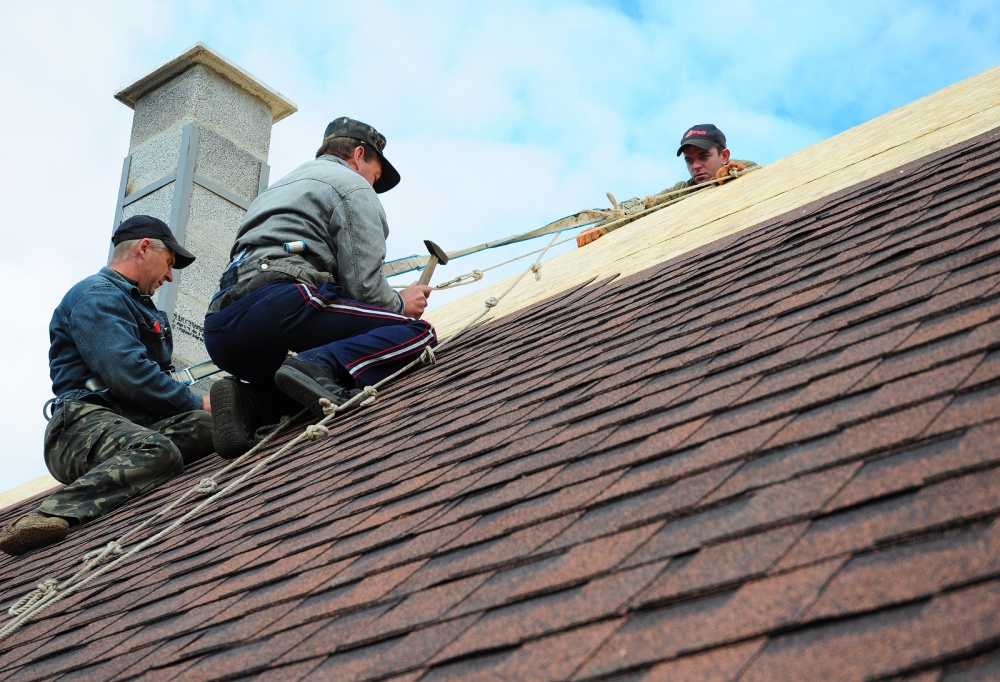

Introduction: Roofing as a Cornerstone of Architecture
While walls define a building’s space, the roof secures its soul. A roof is far more than a functional necessity—it’s an architectural crown, a climate shield, and a key determinant of structural longevity. From the thatched shelters of early civilizations to the sleek solar-integrated panels of contemporary designs, roofing has evolved into a sophisticated science, blending engineering, aesthetics, and environmental consciousness. In today’s world, where extreme weather and rising energy costs are pressing concerns, choosing the right roof has never been more important.
The Core Functions of Roofing
At its essence, a roof provides protection—but its purpose extends well beyond keeping out rain. It plays a fundamental role in thermal regulation, structural stability, and even property value.
Key Functions of a Roof:
-
Weather Protection: Guards against rain, snow, hail, and wind.
-
Insulation: Maintains indoor temperature, contributing to energy efficiency.
-
Aesthetic Appeal: Enhances the visual harmony and character of a building.
-
Structural Support: Distributes weight and contributes to overall building integrity.
-
Safety and Sustainability: Shields inhabitants from environmental hazards and supports eco-conscious living through modern technologies.
Types of Roofing Materials: Tradition Meets Innovation
The choice of roofing material dramatically impacts performance, lifespan, maintenance needs, and aesthetics. As technology and environmental demands have evolved, so have the options available.
Traditional Roofing Materials:
-
Asphalt Shingles: Affordable, versatile, and widely used in residential construction.
-
Clay Tiles: Durable and heat-resistant, popular in Mediterranean and tropical climates.
-
Wood Shingles/Shakes: Offer rustic charm but require regular maintenance.
-
Slate: High-end and long-lasting, with a timeless elegance.
-
Metal Roofing: Aluminum, steel, or copper—renowned for durability and energy efficiency.
Modern and Eco-Friendly Options:
-
Green Roofs: Living roofs covered with vegetation, providing insulation and reducing stormwater runoff.
-
Solar Tiles: Integrated photovoltaic panels that generate electricity while serving as a roof.
-
Synthetic Composites: Recycled materials designed to mimic natural roofing textures with added durability.
-
Cool Roofs: Reflective materials that reduce heat absorption, promoting energy efficiency.
Styles of Roofing: Form Supporting Function
The shape of a roof isn’t just a design choice—it determines how effectively it sheds water, manages snow loads, and handles environmental exposure.
Common Roofing Styles:
-
Gable Roof: Triangular, simple, and effective for water drainage.
-
Hip Roof: All sides slope downwards, offering stability in high-wind areas.
-
Flat Roof: Common in commercial buildings; allows for rooftop utilities or gardens.
-
Shed Roof: A single slope, often used in modern minimalist architecture.
-
Mansard Roof: French-inspired, offering extra attic space and visual drama.
-
Butterfly Roof: V-shaped, innovative and modern, ideal for rainwater harvesting.
Roofing and Climate Considerations
Roofing solutions must be responsive to regional climate conditions to ensure long-term performance and safety.
Climate-Based Recommendations:
-
Hot Climates: Reflective metal roofs or clay tiles help deflect solar heat.
-
Cold Climates: Insulated roofs with steep slopes prevent ice dams and support snow runoff.
-
Humid Regions: Mold- and mildew-resistant materials like slate or treated metal are ideal.
-
Wind-Prone Areas: Roofing should include hurricane straps, interlocking tiles, and reinforced materials.
Maintenance: Extending the Life of Your Roof
Even the most durable roofs require regular inspection and care. Neglecting maintenance can lead to leaks, rot, and costly damage.
Roofing Maintenance Checklist:
-
Inspect Annually: Look for broken shingles, rusted flashing, or signs of sagging.
-
Clean Gutters: Prevent clogging and water backflow that damages roof edges.
-
Remove Debris: Clear branches and leaves, especially after storms.
-
Trim Overhanging Trees: Reduces risk of branch impact and moss growth.
-
Check Attic Ventilation: Proper airflow prevents moisture buildup and mold.
Roofing Innovations: The Future of Overhead Shelter
As the building industry pivots toward sustainability and smart technology, roofing is at the forefront of innovation.
Cutting-Edge Developments:
-
Smart Roof Systems: Use sensors to detect moisture, temperature shifts, and structural stress.
-
Self-Cleaning Roof Coatings: Minimize algae, dirt, and grime buildup.
-
Recycled Roofing Materials: Rubber, plastic, and metal reimagined for resilient use.
-
Energy-Generating Roofs: Photovoltaic integration turning roofs into power sources.
Choosing the Right Roof: Factors to Consider
Selecting a roof involves more than choosing a color or material. It’s a comprehensive decision informed by lifestyle, budget, climate, and long-term goals.
Key Considerations:
-
Budget: Includes not only installation cost but also lifetime maintenance.
-
Longevity: Consider the lifespan—metal and slate can last over 50 years.
-
Local Building Codes: Some styles or materials may be restricted in your area.
-
Aesthetic Harmony: The roof should complement the architecture and surroundings.
-
Environmental Impact: Sustainable materials reduce carbon footprint and utility bills.
Hiring a Roofing Professional: What to Look For
A roof is only as good as its installation. Choosing a qualified, experienced roofer is critical to performance and warranty adherence.
Checklist for Selecting a Contractor:
-
Licensing and Insurance: Always confirm credentials and liability coverage.
-
Experience with Material Type: Not all contractors are experts in every roofing system.
-
References and Reviews: Examine past work and customer satisfaction.
-
Transparent Estimates: Look for clear scope, pricing, and timelines.
-
Warranty Terms: Understand both manufacturer and labor warranties.
Conclusion: Roofing as a Reflection of Purpose and Progress
Roofing is no longer a mere capstone to a structure—it’s a dynamic element of architectural intelligence. Whether you’re building a new home, restoring a historic property, or enhancing energy efficiency, your roofing choice speaks volumes about your values, vision, and attention to quality. In blending craftsmanship with innovation, today’s roofs not only protect but elevate. They reflect who we are and how we live—offering security above, and peace of mind within.