
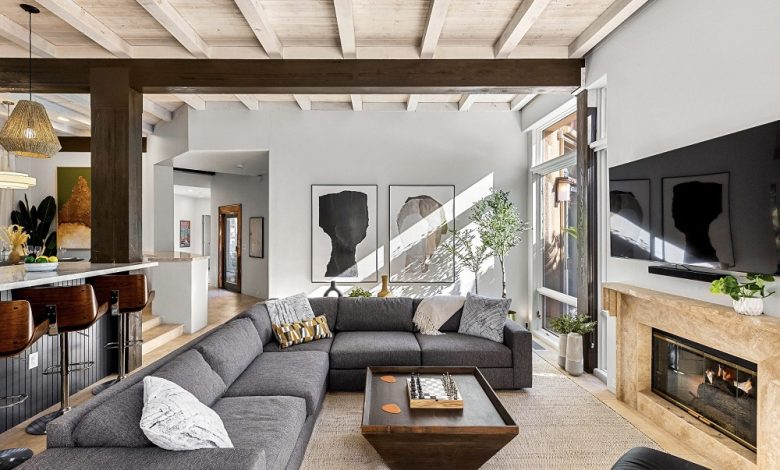
The living room serves as the emotional heart of a home. It is the space where family members gather to unwind after long days, where guests are welcomed, and where everyday life unfolds. Achieving a balance between a space that feels deeply comfortable and one that looks visually curated can sometimes feel like a design paradox. Too much emphasis on style can leave a room feeling cold and unapproachable, while prioritizing pure comfort without structure can result in a space that feels messy or uninspired.
Creating a living room that is both cozy and stylish requires a thoughtful approach to texture, lighting, layout, and personal touches. By layering elements intentionally, you can transform a standard living space into a refined sanctuary that invites relaxation while maintaining a high-end aesthetic.
Establishing a Thoughtful Foundation with Layout
Before bringing in furniture and decorative accents, the spatial arrangement of the room dictates how inviting it feels. A poor layout makes even the most luxurious furnishings feel awkward and disconnected.
-
Anchor the Room: Identify the natural focal point of the room, whether it is a fireplace, a large window with a view, or a media center, and arrange your primary seating to face it.
-
Pull Furniture Away from Walls: In smaller spaces, the instinct is to push every sofa and chair against the perimeter. Floating your furniture even a few inches away from the walls creates breathing room and an intimate conversational circle.
-
Define Walking Paths: Ensure clear pathways allow people to move through the room without squeezing past furniture or tripping over coffee table legs.
Layering Textures for Tactile Warmth
Coziness is largely a sensory experience. When a room features too many hard surfaces like glass, metal, and polished wood, it can feel clinical. Layering various textiles introduces warmth and invites physical touch.
-
Mix Fabrics on Upholstery: Pair a smooth leather sofa with woven wool throw blankets, velvet accent pillows, or linen drapery to create visual and tactile depth.
-
Incorporate Natural Elements: Introduce raw wood coffee tables, stone side tables, or woven rattan baskets to ground the space in organic textures.
-
Use High-Pile Rugs: A plush area rug anchors your seating arrangement while adding softness underfoot, instantly warming up cold hardwood or tile flooring.
Mastering Layered Lighting Design
Overhead lighting alone kills the cozy atmosphere of a living room. Stylish interiors rely on a multi-layered lighting scheme that allows you to shift the mood of the room throughout the day.
-
Combine Three Lighting Types: Integrate ambient lighting for general illumination, task lighting for reading corners, and accent lighting to highlight architectural features or artwork.
-
Embrace Warm Color Temperatures: Choose light bulbs with a warm color temperature to create a soft, golden glow rather than a harsh, clinical white light.
-
Utilize Dimmers: Installing dimmer switches on your main light fixtures gives you complete control over the room brightness, making it easy to transition from a bright daytime gathering space to a moody evening retreat.
Selecting a Sophisticated Color Palette
Color sets the emotional tone of your living room. While neutral palettes provide a timeless, stylish backdrop, introducing rich tones prevents the space from feeling flat.
-
Start with a Neutral Base: Paint walls in soft warm whites, muted grays, or subtle earth tones to create a versatile canvas that reflects natural light.
-
Add Depth with Moody Hues: If you prefer a dramatic look, consider painting an accent wall or the entire room in deep forest green, charcoal, or rich navy blue.
-
Incorporate Accent Colors Through Accessories: Use throw pillows, art pieces, and decorative objects to introduce seasonal or trendy colors without committing to major permanent changes.
Styling Surfaces with Intention
Coffee tables, console tables, and bookshelves offer prime opportunities to showcase your personal style, but they can easily become cluttered dumping grounds.
-
The Rule of Three: When styling surfaces, group decorative objects in odd numbers, such as three items of varying heights, to create a visually pleasing composition.
-
Vary Heights and Shapes: Pair a tall glass vase with a stack of hardcover books and a low, heavy ceramic bowl to create dynamic visual movement across a flat surface.
-
Leave Negative Space: Do not feel pressured to fill every inch of a surface. Leaving empty space allows the eye to rest and highlights your favorite statement pieces.
Integrating Greenery and Florals
Living plants bridge the gap between indoor architecture and the natural world, adding life, color, and texture to any corner of the room.
-
Choose Low-Maintenance Varieties: Snake plants, pothos, and fiddle-leaf figs thrive indoors and offer striking architectural shapes.
-
Play with Scale: Place a large potted tree in an empty corner to fill vertical space, and keep small succulents or trailing plants on side tables and shelves.
-
Use Quality Planters: Elevate the style of your greenery by placing nursery pots inside chic ceramic, terracotta, or woven baskets that complement your overall color palette.
Frequently Asked Questions
How can I make a small living room feel cozy without making it feel cramped?
You can maximize coziness in a compact space by using multi-functional furniture, hanging curtains high near the ceiling to draw the eye upward, incorporating large mirrors to reflect light, and choosing scaled-down furniture with exposed legs rather than heavy, bulky pieces that block the floor.
What is the best way to mix different wood tones in a living room?
To mix wood tones successfully, select a dominant wood finish for your largest pieces, such as the flooring or main media console, and use secondary wood tones that share a similar undertone. Balancing warm tones with cool tones and separating them with rugs or painted furniture prevents the space from looking mismatched.
How do I choose the right size area rug for my living room layout?
A common mistake is choosing a rug that is too small, which makes the room feel disjointed. Ideally, your area rug should be large enough so that all four legs of your main seating furniture rest on it, or at least the front legs of your sofa and armchairs sit comfortably on the rug surface.
What are some budget-friendly ways to update a living room style instantly?
You can refresh your living room on a budget by swapping out throw pillow covers for new textures and colors, changing lampshades to alter the quality of light, rearranging existing furniture into a fresh configuration, and decluttering all flat surfaces.
How can I make a rental living room feel stylish without making permanent changes?
Renters can elevate their living spaces by layering large area rugs over unappealing carpet or flooring, using peel-and-stick wallpaper for an accent wall, hanging art with damage-free adhesive strips, and relying on statement floor lamps and tabletop lighting rather than relying on harsh overhead fixtures.
How do I prevent a neutral living room from feeling boring or sterile?
To keep a neutral room vibrant, focus heavily on texture rather than color. Mix nubby bouclé fabrics, smooth leathers, raw wood grains, woven grasscloth wallpaper, and metallic accents to create visual richness entirely through tactile variation.
How high should I hang artwork on the living room walls?
As a general rule of thumb, hang artwork so that the center of the piece sits at eye level, which is typically around fifty-seven to sixty inches from the finished floor. If you are hanging a large piece above a sofa, ensure the bottom frame sits about six to ten inches above the top of the couch back.


