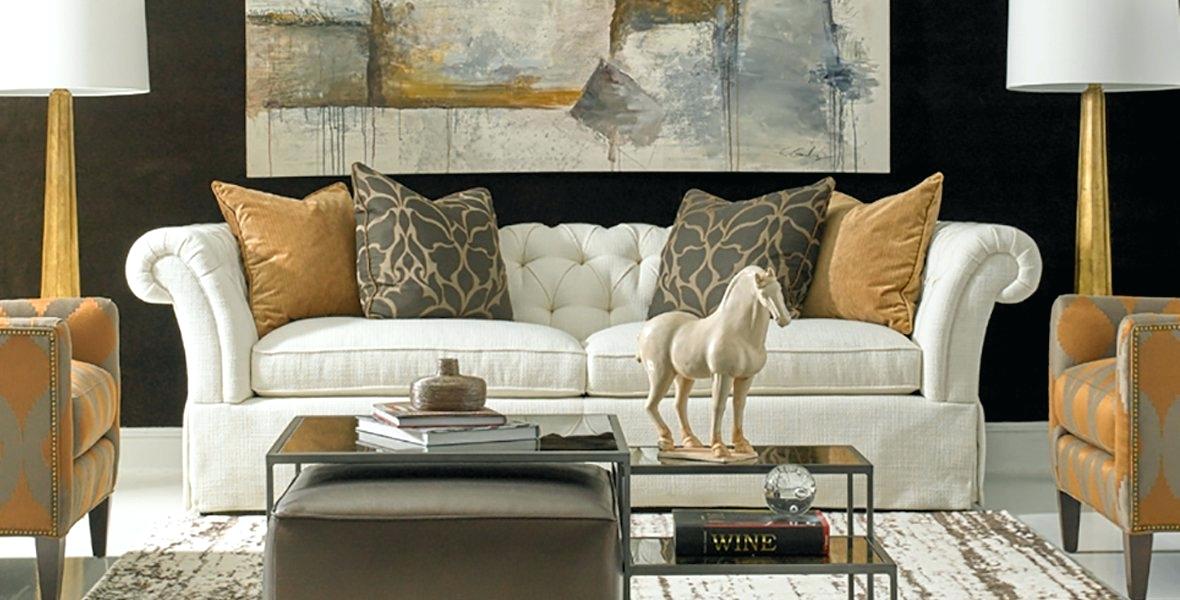
Crafted for Comfort and Character: The Timeless Role of Furniture in Shaping Interior Spaces


Introduction: Furniture as the Soul of a Space
Furniture is far more than functional. It is the silent architect of ambiance, the vessel of comfort, and the aesthetic core of interior design. Every piece—from a grand dining table to a humble footstool—contributes to the atmosphere of a room, revealing both personal taste and cultural context. While styles may evolve over centuries, the fundamental purpose of furniture remains constant: to serve, to support, and to enrich our living environments.
The Historical Journey of Furniture
Furniture has accompanied humankind since ancient civilizations. From the stone-built benches of Mesopotamia to the ornate chests of Egyptian pharaohs, every era has developed its own language of craftsmanship. What began as rudimentary structures built for utility gradually evolved into expressions of art, wealth, and social status.
Epochs of Influence:
-
Classical Antiquity: Greek and Roman furniture was symmetrical, refined, and often sculpted in marble or wood, emphasizing proportion and balance.
-
Middle Ages: Functionality dominated; furniture was heavy, wooden, and often communal in use.
-
Renaissance and Baroque Eras: Lavish ornamentation, rich upholstery, and intricate carvings reflected grandeur and opulence.
-
Modernism and Beyond: The 20th century brought sleek minimalism, ergonomic design, and mass production, prioritizing form and function in equal measure.
Types of Furniture and Their Role in Modern Living
In today’s homes, furniture serves various purposes—practical, decorative, and psychological. Each room requires different furnishings, carefully selected for the size, style, and rhythm of the space.
Living Room Essentials:
-
Sofas and Sectionals: The anchor of any living room, offering comfort and conversation space.
-
Coffee Tables: Often the centerpiece, blending utility with style.
-
Accent Chairs: Add color, texture, and extra seating.
-
Entertainment Units: House modern electronics while contributing to the visual balance.
Bedroom Must-Haves:
-
Beds: From classic four-posters to minimalist platforms, the bed defines the room’s mood.
-
Nightstands: Essential for convenience, often used to mirror design symmetry.
-
Wardrobes and Dressers: Combine storage with stylistic elements.
-
Vanities: Provide both functionality and a personal touch.
Dining Room Foundations:
-
Dining Tables: A symbol of unity and hospitality, often selected to reflect tradition or modernity.
-
Chairs: Should balance form and function for long, comfortable meals.
-
Sideboards and Buffets: Offer storage while adding a sophisticated touch.
Office and Study Spaces:
-
Desks: Should inspire productivity with ergonomic excellence.
-
Chairs: Aesthetically pleasing yet designed for prolonged use.
-
Bookshelves: Reflect intellectual identity while offering vertical storage solutions.
Materials and Craftsmanship: Where Quality Meets Longevity
The material of a piece of furniture significantly affects its durability, appearance, and environmental footprint. Skilled craftsmanship brings out the best in any material, creating pieces that are both timeless and sturdy.
Popular Materials:
-
Wood: Classic and versatile, with varieties like oak, walnut, teak, and mahogany offering distinct textures and tones.
-
Metal: Sleek and strong, often used in industrial or contemporary designs.
-
Glass: Ideal for modern interiors, creating lightness and transparency.
-
Upholstery: Fabrics and leathers that bring comfort, color, and character.
Hallmarks of Fine Craftsmanship:
-
Joinery: Techniques like dovetailing and mortise-and-tenon indicate quality.
-
Finish: A well-applied finish enhances durability and visual appeal.
-
Balance: Proportions and symmetry are essential for aesthetic harmony.
The Psychology of Furniture: How It Affects Mood and Behavior
Furniture influences more than how we navigate a space—it shapes how we feel within it. A room’s layout, furniture style, and materiality can deeply impact mood, focus, and even relationships.
Psychological Impacts:
-
Comfort and Calm: Plush sofas, soft fabrics, and ergonomic designs promote relaxation.
-
Productivity: Proper desks and chairs can enhance concentration and workflow.
-
Social Dynamics: Furniture arrangement influences interaction and communication—circular or open layouts often encourage conversation.
-
Personal Identity: The pieces we choose reflect who we are—bold designs signal creativity, antiques suggest a love for tradition.
Furniture Trends in Contemporary Design
Design preferences are constantly shifting, responding to cultural trends, technological advancements, and environmental concerns. Today’s consumers demand furniture that is not only stylish but also sustainable and adaptable.
Noteworthy Trends:
-
Sustainable Furniture: A rise in eco-friendly materials like bamboo, recycled wood, and low-VOC finishes.
-
Multifunctional Pieces: Especially in smaller homes or urban apartments, where space efficiency is crucial (e.g., storage ottomans, fold-out desks).
-
Vintage and Retro Revivals: Reclaimed and upcycled pieces are celebrated for their character and environmental value.
-
Modular Furniture: Offers flexibility and customization for evolving needs.
-
Minimalism: Clean lines, muted palettes, and uncluttered aesthetics continue to dominate.
Buying with Intention: Tips for Selecting the Right Pieces
Furnishing a space is both an art and a science. It involves balancing personal style, functional needs, and spatial limitations. Thoughtful selection ensures your furniture not only looks good but serves your lifestyle.
Considerations for Choosing Furniture:
-
Measure Twice: Ensure each piece fits the dimensions and flow of your space.
-
Invest in Quality: Especially for high-use items like sofas and beds.
-
Mix and Match: Combine different styles and textures for a more curated, personalized look.
-
Test Before Buying: Sit, lean, and feel—comfort is key.
-
Think Long-Term: Choose timeless designs over fleeting trends.
Conclusion: Furniture as a Living Legacy
In the ever-changing tapestry of interior design, furniture remains one of the most expressive and enduring threads. It is where form meets function, where history and modernity coexist. The furniture we select becomes part of our daily lives, shaping how we live, work, rest, and connect. From heirloom pieces passed through generations to modern innovations designed for today’s lifestyles, furniture is a testament to human creativity and the deep desire for comfort and beauty within our homes. As we continue to reimagine our spaces, one truth remains constant: well-chosen furniture doesn’t just fill a room—it completes it.