
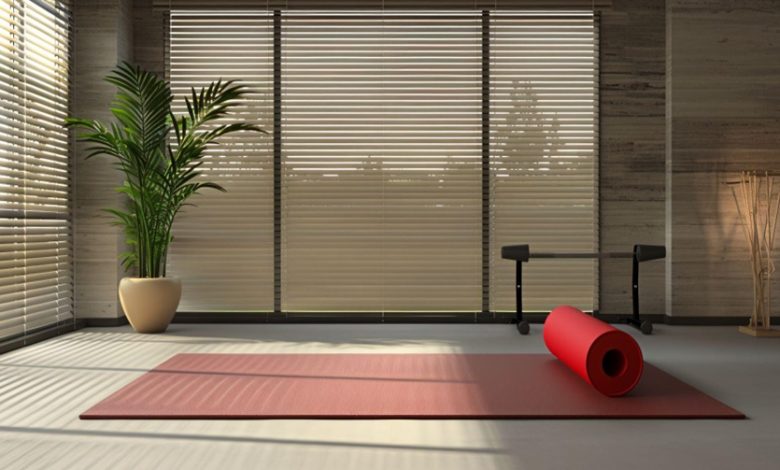
Many homes now have at least one room that changes role throughout the day. A spare bedroom might serve as a home office in the morning, a workout space in the evening and a guest room on weekends. Each activity calls for different light, privacy and comfort levels, so the window coverings need to adapt just as quickly. Whether you are choosing roller blinds in Singapore or comparing other styles, thinking about how the room is used at different times of day helps you pick blinds that suit every role rather than just one.
What Each Activity Needs From the Window
Before comparing blind types, it helps to list what each use of the room requires. The main needs usually look something like this:
- Work: steady, glare-free light on screens and desks, with enough daylight to stay alert.
- Rest: dim or dark conditions for naps or overnight guests, along with privacy from neighbours.
- Exercise: good airflow, protection from direct sun and durable coverings that can handle movement nearby.
- All uses: easy operation, since the blinds may be adjusted several times a day.
Once these needs are clear, it becomes easier to choose a blind or combination of blinds that covers them all.
Choosing Blinds That Adapt to Each Use
Different blind types handle these needs in different ways. The options below can be used on their own or combined, depending on the size of the window and how the room is set up.
Adjustable Slats for Daytime Work
Blinds with tilting slats let you direct light rather than simply block it. Angling the slats upward bounces daylight towards the ceiling, reducing glare on computer screens while keeping the room bright. Wooden blinds are a popular choice for this, as they offer fine control over light and add warmth to a room that doubles as a workspace. In humid rooms or spaces prone to condensation, faux-wood or aluminium versions provide a similar look with better moisture resistance.
Blackout Fabrics for Rest
When the room is used for sleeping or afternoon naps, blackout or room-darkening fabrics make a noticeable difference. Roller blinds with blackout backing can block most outside light, while side channels or a close-fitting installation reduce light gaps around the edges. Neutral colours facing the street also help maintain a consistent look from outside.
Light-Filtering Options for Exercise
During workouts, the room needs to feel bright and airy without becoming hot. Light-filtering or sunscreen fabrics soften direct sunlight and cut heat while still allowing some outward visibility. Blinds that sit inside the window frame are also less likely to be knocked during stretching or floor exercises, and cordless or wand-operated designs reduce the risk of tangling.
Layering for Full Flexibility
For the widest range of control, consider layering two types together. A common pairing is a sheer or light-filtering blind for daytime use behind a blackout layer for rest. Day-and-night roller blinds, which combine alternating sheer and solid bands in one blind, offer a similar effect in a single unit, making them a space-saving choice for smaller windows.
Practical Details to Check
Before ordering, confirm the window measurements, whether the blinds will be mounted inside or outside the frame and how easy they are to clean. Motorised or remote-controlled options can be worth considering for rooms where blinds are adjusted frequently. Asking for fabric samples also lets you check how each option looks in the room at different times of day.
Matching the Window to the Way the Room Is Used
Choosing blinds for a multi-purpose room starts with listing the needs of each activity, then selecting blinds that balance light control, privacy and durability. Tilting slats for work, blackout fabrics for rest, light-filtering shades for exercise and layered combinations help one room adapt smoothly from morning to night.
Turning a spare room into an office, gym and guest room? Speak with De Art Studio about blinds that adapt to every use.


