
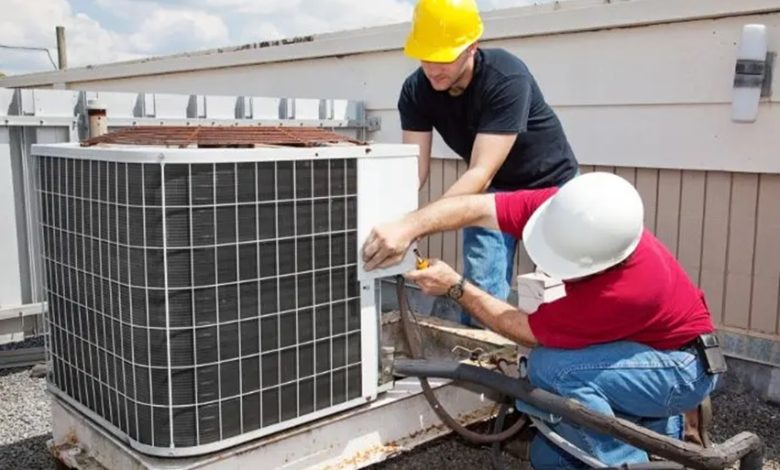
A new air conditioner may arrive on installation day, but many of the most important decisions should already be settled by then. Equipment size, room layout, existing ductwork, airflow, thermostat location, electrical needs, and the condition of the current system all influence how the new equipment will fit the property.
Planning AC installation in Corinth around those details creates a clearer path from equipment selection to startup. North Texas cooling systems face long periods of heavy use, so choosing a unit based only on the size of the old equipment or a quick square-foot estimate leaves out important information about how the house actually gains and distributes heat.
Start With the House Instead of the Equipment
Shopping for an air conditioner often begins with comparing brands, efficiency ratings, and prices. The property itself deserves attention first.
Two houses with the same square footage may have different cooling demands. Ceiling height, insulation, windows, sun exposure, orientation, air leakage, room layout, and occupancy all influence how much cooling the structure needs. A large west-facing living room may behave very differently from a shaded bedroom on the other side of the house.
Corinth HVAC Experts states that its AC installation planning considers property size, room layout, cooling demands, and equipment efficiency before the work begins. That approach gives equipment selection a connection to the building instead of treating the air conditioner as a stand-alone appliance.
Talk About the Rooms That Never Feel Right
Uneven temperatures provide useful information before replacing a system. One bedroom may stay warm every afternoon while another room becomes noticeably colder than the thermostat setting. A converted garage, addition, or upstairs room may also behave differently from the original part of the house.
Mention these patterns before installation begins. They may relate to duct sizing, airflow, return-air paths, insulation, sun exposure, or thermostat placement rather than the outdoor equipment alone.
For information about current cooling, heating, installation, replacement, and residential HVAC services, visit the website here.
A new system should not automatically inherit every comfort problem from the old setup. Existing patterns give the contractor a reason to look at the distribution system before connecting new equipment.
Equipment Size Should Come From Cooling Demand
Bigger is not automatically better when choosing an air conditioner.
An oversized system may cool the space quickly but shut off again before completing a longer, steadier cooling cycle. An undersized unit may struggle to reach the thermostat setting during hotter periods. The correct capacity should come from the cooling requirements of the property rather than simply matching the largest available option.
The U.S. Department of Energy explains that proper HVAC sizing begins with determining heating and cooling loads using recognized industry calculations. The DOE also notes that rule-of-thumb sizing may result in oversized equipment, higher costs, frequent cycling, and reduced comfort.
That makes sizing one of the most important conversations before AC installation in Corinth moves to equipment selection.
The Existing Ductwork Still Has a Job to Do
Replacing the air conditioner does not automatically replace the duct system.
Existing ducts still need to carry conditioned air from the new equipment to the rooms and return air back to the system. If those ducts are poorly sized, damaged, disconnected, or leaking, installing a new outdoor unit does not remove those limitations.
Ask whether the existing ductwork matches the airflow requirements of the proposed equipment. Look at rooms that already have weak airflow and mention vents that seem unusually noisy.
The DOE’s HVAC guidance notes that equipment capacity, airflow, and duct design need to work together. That relationship matters because the new system depends on the existing air-distribution network every time it runs.
Return Air Is Part of the Airflow Loop
Supply vents receive plenty of attention because they deliver cool air into a room. Return air is the other half of the circulation process.
Air needs a practical route back to the HVAC equipment so it can be conditioned again. Closed bedroom doors, restricted returns, or poorly planned airflow paths may change pressure relationships throughout a house.
Before installation, look at where return grilles are located and whether certain rooms consistently feel stagnant when doors remain closed.
This does not mean every room needs major duct changes. It means the contractor should understand how air currently moves through the house before choosing and setting up the new equipment.
Thermostat Location May Affect What the System Reads
The thermostat tells the HVAC system when to run, but it only measures conditions where it is installed.
Direct sunlight, nearby supply vents, exterior doors, kitchens, electronics, and other heat sources may influence the temperature around the thermostat differently from the rest of the house.
If the old system frequently shut off while distant rooms still felt warm, mention that during the evaluation. Thermostat location may be one factor worth reviewing alongside airflow and equipment operation.
A new thermostat also introduces different controls and programming options. Corinth HVAC Experts states that its technicians explain how to operate newly installed equipment before leaving the property, giving customers a chance to become familiar with the controls from the start.
Outdoor Equipment Needs Enough Working Space
The outdoor condenser needs a practical location that allows airflow and future service access.
Shrubs, fencing, stored items, and other objects may crowd an existing unit over time. Before installation, look at the area around the equipment and identify anything that may interfere with the new system.
The replacement unit may also have different dimensions from the old one. The pad, electrical connections, refrigerant lines, and surrounding clearance should fit the equipment being installed rather than assuming the previous arrangement works without changes.
Leaving reasonable service access also makes future maintenance simpler because technicians can reach important components without moving landscaping or stored materials first.
Electrical Requirements Belong in the Installation Plan
Air-conditioning equipment depends on electrical components that match the system.
The installation evaluation should account for the existing disconnect, wiring, breakers, and other relevant electrical connections. Replacement equipment may have requirements that differ from an older system.
This is another reason equipment should be selected before installation day rather than arriving without a complete site review.
The objective is to identify installation needs in advance so the crew understands the property, equipment, and connections involved before removing the old system.
Drainage Should Not Be an Afterthought
Air conditioners remove moisture from indoor air as part of the cooling process. That moisture needs a reliable drainage path.
Condensate drains, pans, and nearby piping deserve attention during installation. An older drain line may already contain buildup or have a history of backing up.
Ask where condensate leaves the system and how the drain will be checked once the new equipment begins running.
In North Texas, an air conditioner may operate for long stretches during hot weather. A drainage problem that seems minor during mild conditions becomes more noticeable when the system is producing condensate for hours at a time.
Efficiency Ratings Need Context
Efficiency numbers make comparison easier, but the rating is only one part of the decision.
Higher-efficiency equipment may include different compressor technology, controls, or operating characteristics. The existing duct system, installation quality, equipment sizing, and daily thermostat habits also influence the real-world experience.
During AC installation in Corinth, compare equipment based on how it fits the property rather than selecting the highest rating without considering anything else.
Ask what changes between the proposed options. A contractor should be able to explain differences in everyday language so you understand what you are paying for and how those features relate to your house.
The Indoor and Outdoor Components Need to Match
A central cooling system includes more than the condenser sitting outside.
Indoor coils, blowers, controls, refrigerant components, and other equipment work together as a system. Replacing one component without considering compatibility with the others may create performance problems.
The proposed system should therefore be reviewed as a complete combination.
This is particularly important when part of the existing HVAC setup is expected to remain. Ask which components are being replaced, which are staying, and why the proposed combination fits together.
Knowing the scope before work begins also makes it easier to compare competing installation estimates.
Installation Day Starts With Access
A little preparation around the house makes installation easier.
Clear storage, furniture, or personal items away from the indoor equipment, thermostat, access panels, and outdoor unit. If the air handler sits in an attic or closet, keep the path open so technicians can move tools and equipment safely.
Corinth HVAC Experts currently advises customers to clear belongings, storage boxes, furniture, and outdoor debris away from thermostats, HVAC equipment, vents, and exterior units before a service visit.
Pets may also need a secure room while technicians move between indoor and outdoor work areas.
Testing Matters Before the Job Is Finished
Installation is not complete simply because the new equipment turns on.
The system should be operated and checked after the components are connected. Airflow, controls, cooling operation, refrigerant charge, drainage, and other installation details need to be reviewed according to the equipment and system design.
The DOE describes HVAC quality installation as including proper equipment sizing and matching, correct refrigerant charge, adequate airflow, and properly sealed ducts.
Corinth HVAC Experts also states that its technicians test the completed system after installation. This final stage provides an opportunity to confirm that the equipment is operating before the job wraps up.
Walk Through the Controls Before the Crew Leaves
A new system may operate differently from the equipment it replaced.
Thermostat menus, scheduling, fan settings, temperature adjustments, and other controls may be unfamiliar at first. Take a few minutes to operate them while the technician is still there.
Ask where the filter is located and how often its condition should be checked. Find out what normal startup and shutdown sound like. If the equipment includes features that were not part of the old system, ask how they work.
This walkthrough turns the end of installation into the beginning of normal ownership rather than leaving you to figure everything out later.
Pay Attention During the First Hot Days
The first mild afternoon does not put a new cooling system under the same demand as a peak Texas summer day.
Once outdoor temperatures climb, notice how the house feels across several rooms. Pay attention to run times, airflow, humidity, and temperature differences that seem unusual.
A little variation between rooms is normal in many homes, but large or persistent differences deserve attention.
Keep notes if something seems inconsistent. Knowing which room feels uncomfortable and at what time of day provides much more useful information than simply saying the house feels hot.
Keep Installation Records Together
Save the equipment model numbers, installation invoice, warranty documents, thermostat information, maintenance instructions, and any paperwork provided with the system.
These records become useful when scheduling future service or ordering replacement parts.
They also create a history of when the system was installed and what equipment was included. If the property is sold later, the next owner has a clearer picture of the HVAC setup instead of guessing at equipment age.
Good documentation takes very little effort on installation day and becomes increasingly valuable as the system gets older.
AC Installation Should Fit the House You Actually Have
Every property has its own cooling challenges. One house gets intense afternoon sun. Another has long duct runs to upstairs rooms. An older property may have equipment added during several renovations, while a newer house may still have rooms with airflow differences.
That is why AC installation in Corinth should begin with the house rather than the equipment catalog.
Property size, layout, cooling load, ductwork, airflow, thermostat location, electrical connections, drainage, and daily comfort patterns all provide information before the new system is selected.
The installation itself becomes the final step in a much larger planning process.
Plan the New System Around the Property
A successful air-conditioning project begins before the old unit is disconnected. Correct sizing, airflow review, duct conditions, equipment compatibility, electrical needs, drainage, placement, and final testing all contribute to how the new system operates once Texas temperatures rise.
Taking time to evaluate those details creates a clearer path toward equipment that fits the property instead of simply replacing one box with another. When you are ready to discuss a new cooling system, contact Corinth HVAC Experts to review your property, equipment options, installation needs, and the comfort concerns you want the new system to resolve.


