
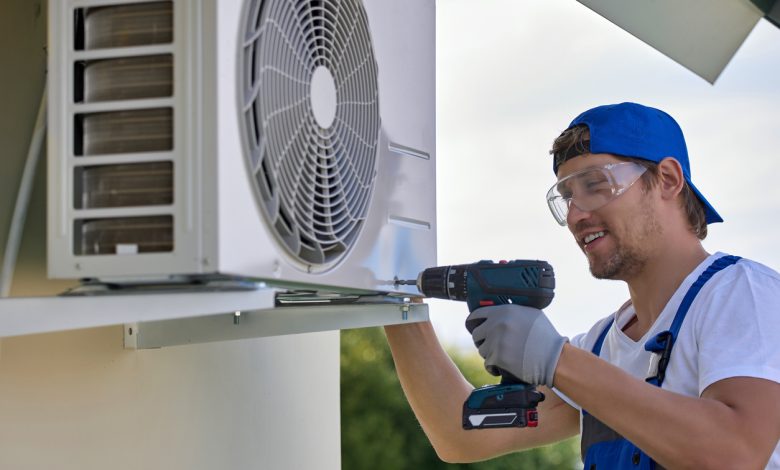
Adding central air conditioning to an existing furnace can be a practical way to improve whole-home comfort. However, the furnace, blower, ductwork, electrical system, and thermostat must all work with the new cooling equipment. Checking these areas before installation helps prevent weak airflow, excessive energy use, and avoidable system problems.
An existing forced-air furnace may provide much of the infrastructure needed for central cooling. Its blower and ductwork can distribute cool air, but that does not mean every heating system is ready for an air conditioner. Furnace condition, blower capacity, duct design, electrical service, insulation, and equipment sizing must be evaluated first. Planning for reliable air conditioning for homes requires looking at the complete HVAC system, not simply adding an outdoor unit. A professional assessment can identify compatibility problems early, clarify necessary improvements, and help homeowners invest in cooling equipment that operates safely, efficiently, and consistently throughout the summer season.
Start With the Existing Furnace
The furnace becomes an important part of the cooling system because its blower moves conditioned air through the home. Its age, condition, and airflow capacity can determine whether adding central AC is practical.
1. Check the Furnace’s Age and Condition
A furnace does not produce cool air, but several of its components remain active during cooling. An aging or unreliable furnace may not be the best foundation for a new air conditioner.
Review its maintenance history, repair frequency, operating noise, and overall condition. If the furnace is approaching replacement or has recurring problems, replacing both systems together may provide better compatibility and avoid duplicate installation work later.
2. Confirm That the Blower Can Handle Cooling Airflow
Cooling often requires different airflow than heating. The furnace blower must move enough air across the indoor evaporator coil and through the duct system.
An inadequate blower can contribute to:
- Weak airflow from vents
- Uneven room temperatures
- Reduced cooling capacity
- Ice forming on the evaporator coil
- Longer operating cycles
A technician should verify blower capacity and speed settings before selecting the AC equipment.
Inspect the Existing Ductwork
Ducts designed for heating may not always be suitable for efficient cooling, as their size, condition, insulation, and layout affect airflow. Check for leaks, damaged sections, loose connections, and poor insulation, which can waste cooled air and allow dust or hot air into the system. Proper duct sizing is also important, as undersized supply or return ducts can restrict airflow, cause noisy vents, increase cooling time, and create uneven temperatures. A professional inspection can identify these issues and determine whether repairs or modifications are needed before installing a new AC system.
Match the AC to the Home’s Cooling Needs
Correct equipment sizing is essential for efficiency, comfort, and moisture removal. Choosing an air conditioner based only on square footage or the size of a neighboring home can produce disappointing results.
Request a Professional Cooling Load Calculation
A load calculation estimates how much cooling the home actually needs. It considers factors such as:
- Home size and layout
- Insulation levels
- Window type and sun exposure
- Ceiling height
- Air leakage
- Local weather conditions
An undersized AC may run almost continuously without providing enough comfort. An oversized model may cool too quickly, shut off frequently, and fail to remove moisture effectively.
Select Compatible Indoor and Outdoor Components
A central AC addition typically requires an outdoor condenser, an indoor evaporator coil, refrigerant lines, a condensate drain, controls, and a compatible thermostat.
These parts must be properly matched. Combining components that were not designed to operate together may reduce efficiency, affect performance, and create warranty concerns. Accurate reliable air conditioning for homes depends on choosing equipment that works correctly with the furnace and blower.
Review Electrical and Drainage Requirements
Adding an AC system increases electrical demand and produces condensation, so both should be checked before installation. The outdoor condenser typically needs a dedicated circuit, properly sized wiring, a suitable breaker, and an outdoor disconnect, while older panels may need additional capacity. Condensation also requires proper drainage through a drain line, trap, overflow protection, or condensate pump. Professional evaluation helps prevent electrical issues, water damage, system shutdowns, and excess moisture.
Consider the Thermostat and Home Envelope
Efficient cooling depends on more than the AC equipment. The thermostat, insulation, and air sealing all affect system performance and comfort. Make sure the thermostat is compatible with the new system and has the required heating and cooling controls and wiring. Also check attic insulation, weather stripping, exposed ducts, and air gaps, as poor insulation and leaks can allow heat into the home. Addressing these issues before installation can reduce cooling demands and help maintain more consistent indoor temperatures.
Ask the Right Questions Before Installation
A detailed proposal helps homeowners understand what the project includes and whether additional work is required. It also makes it easier to compare recommendations from different HVAC contractors.
11. Request a Complete Written Estimate
Ask the contractor to explain:
- The selected equipment and its capacity
- Furnace and blower compatibility
- Required duct modifications
- Electrical and drainage work
- Thermostat installation
- Permit and inspection responsibilities
- Labor and equipment warranties
The estimate should also identify possible additional charges. A low initial price may not represent good value if essential airflow, electrical, or ductwork improvements are excluded.
What to Remember
Adding central air conditioning to an existing furnace can be an effective way to gain whole-home cooling without installing a separate distribution system. Success, however, depends on much more than selecting an outdoor condenser. The furnace must be in suitable condition, the blower must provide adequate airflow, and the ducts must be properly sized, sealed, and insulated.
Homeowners should also confirm electrical capacity, condensate drainage, thermostat compatibility, equipment sizing, insulation quality, and permit requirements. A professional load calculation and written installation proposal can reveal necessary improvements before work begins. Avoid choosing equipment by price or size alone, and do not assume heating ducts will automatically perform well during summer. Properly planned reliable air conditioning for homes brings the furnace, evaporator coil, condenser, controls, and ductwork together as one coordinated system, supporting efficient operation, balanced airflow, and dependable indoor comfort.