
Sheet metal roofing covers a large share of industrial buildings across Australia, from warehouses and factories to logistics hubs and processing plants. For facility managers, the roof is a working asset that protects stock, equipment and staff. Understanding how these systems perform helps you plan maintenance, control costs and extend service life.
If you oversee industrial metal roofing in Perth, WA, you already deal with harsh sun, coastal salt air and sudden storms. These conditions place real demands on materials and fixings. Knowing what your roof can handle, and where it is likely to fail, puts you in a stronger position when scheduling inspections or approving repairs.
Most industrial roofs in Australia use steel sheeting, often coated with zinc-aluminium alloy or painted with durable finishes. This material suits large spans, resists corrosion when maintained, and reflects heat well. Facility managers responsible for industrial metal roofing across WA and other states should match coating grades to the local environment, since coastal sites need higher corrosion resistance than inland ones.
Why Roof Profile Matters
Roof profile affects drainage, load capacity and appearance. Trapezoidal and corrugated profiles remain common on industrial buildings. Steeper profiles shed water faster, which reduces pooling and rust risk. Low-pitch roofs need careful design to avoid water backing up under laps during heavy rain. Confirm the profile suits your site’s rainfall patterns and the span between purlins.
Common Failure Points
Metal roofs rarely fail across the whole surface. Problems usually start at specific points:
- Fasteners: Worn or loose screws let water in and allow sheets to lift in high wind.
- Flashings: Poorly sealed ridge caps, valleys and penetrations are frequent leak sources.
- Corrosion: Salt build-up and trapped moisture cause rust, especially near coasts.
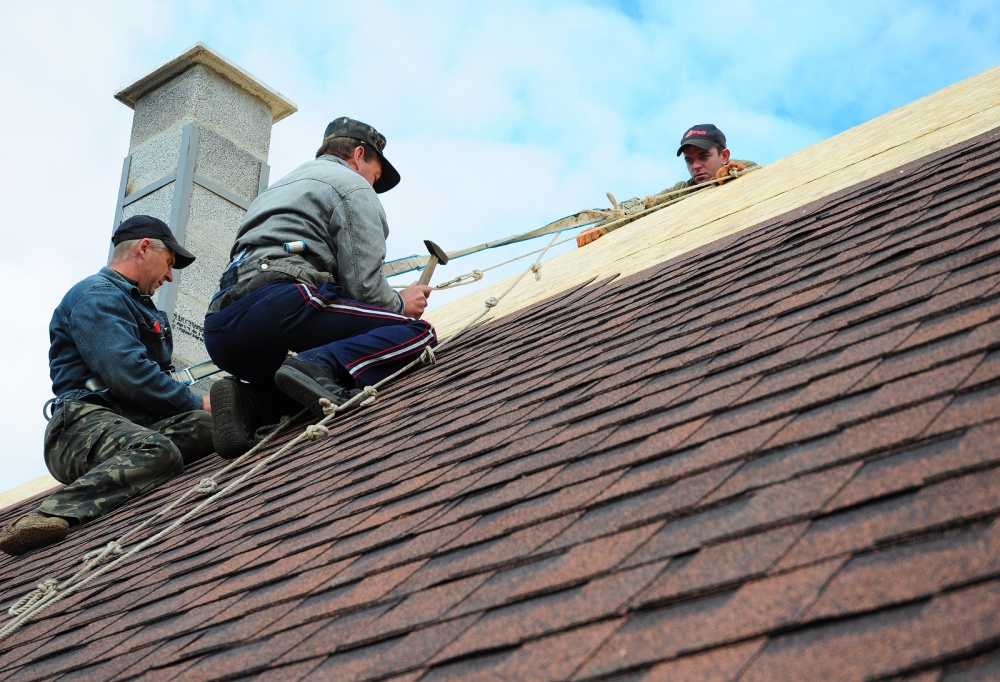
- Foot traffic: Careless access can dent sheets and crack coatings.
Regular inspection of these areas catches small issues before they spread. Schedule checks after major storms and at least twice a year.
Maintenance That Pays Off
A simple maintenance routine keeps your roof performing. Clear gutters and downpipes so water drains freely. Wash coastal roofs to remove salt deposits. Replace failed fasteners promptly and re-seal flashings when sealant degrades. Keep records of every inspection and repair, as this history supports warranty claims and helps you forecast replacement timing.
Thermal movement is worth watching too. Steel expands and contracts with daily temperature swings, which loosens fixings over time. Fixings designed to allow movement reduce this stress.
Planning Repairs and Replacement
Track the age and condition of your roof to plan capital works. A well-maintained steel roof can last several decades, but coatings fade and corrosion accelerates once protective layers wear thin. Budget for recoating or partial replacement before leaks disrupt operations.
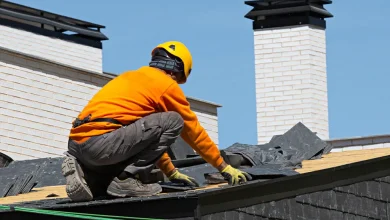
When engaging contractors, ask about compliance with Australian Standards for wind loading and installation. Confirm safe access systems are in place, since roof work carries fall risks.
Strong roof management protects your building, your budget and the people who work beneath it. Treat the roof as a planned asset, and it will reward you with reliable, long-term performance.