
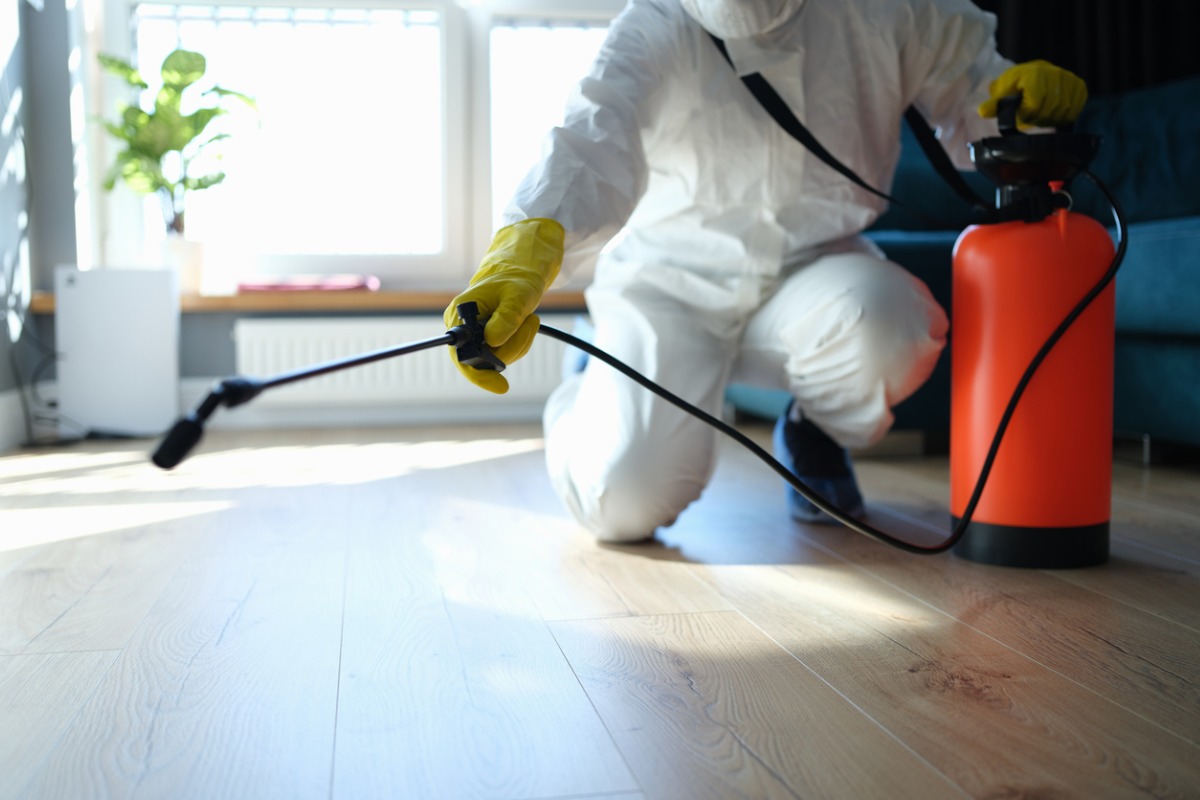
Introduction: Beyond the Surface of Pest Control
Pest control is often perceived as a reactionary measure—one that’s employed when pests become visible or disruptive. Yet, the true essence of effective pest control lies not in eradication alone, but in prevention, environmental balance, and responsible action. In homes, gardens, commercial buildings, and agricultural settings alike, pests pose serious health, economic, and ecological threats. Navigating these challenges with expertise and foresight transforms pest control from a nuisance response to a sophisticated science of protection.
The Unseen Threat: Why Pest Control Matters
Pests are more than an inconvenience. Many carry pathogens, destroy property, and impact food production. Without proper management, their presence can escalate quickly, turning small issues into costly infestations.
Key Reasons Pest Control Is Essential:
-
Health and Hygiene: Rodents and insects can spread bacteria and diseases, including salmonella, hantavirus, and Lyme disease.
-
Property Preservation: Termites, carpenter ants, and rodents can damage structural integrity and wiring.
-
Food Safety: Pests can contaminate stored food and disrupt agriculture, leading to significant financial losses.
-
Environmental Balance: Unchecked pest populations can disturb local ecosystems and outcompete native species.
Categories of Common Pests
Different environments attract different pests. Understanding their behavior and lifecycles is the first step toward effective control.
Household Pests:
-
Rodents: Mice and rats chew through walls, wires, and insulation while spreading disease.
-
Cockroaches: Thrive in damp, hidden areas and trigger asthma and allergies.
-
Ants: Some are merely a nuisance; others, like carpenter ants, cause structural harm.
-
Bedbugs: Infamous for their elusive behavior and itchy bites.
Garden and Agricultural Pests:
-
Aphids and Whiteflies: Sap-suckers that weaken plants and transmit viruses.
-
Slugs and Snails: Feed on leafy vegetables and ornamentals.
-
Weevils and Beetles: Can decimate stored grains or bore into crops.
-
Caterpillars and Moths: Damage fruit trees and vegetable gardens by feeding on leaves and produce.
Structural Pests:
-
Termites: Silent destroyers of wood and paper-based materials.
-
Wood Borers: Insects that tunnel into wood, weakening its strength.
-
Powderpost Beetles: Infest seasoned hardwood, often used in flooring and furniture.
Modern Pest Control: A Blend of Science and Strategy
Gone are the days when pest control meant simply spraying chemicals. Today, it’s an integrative process combining biology, chemistry, and environmental management. The goal is not only elimination but sustainable suppression through intelligent intervention.
The IPM Approach: Integrated Pest Management
Integrated Pest Management (IPM) is a comprehensive method focusing on long-term prevention with minimal impact on health and the environment.
Core Components of IPM:
-
Identification: Accurate pest identification to choose the right treatment.
-
Monitoring: Regular checks to gauge population levels and activity.
-
Prevention: Sealing entry points, maintaining cleanliness, and using resistant plant varieties.
-
Control Methods:
-
Biological: Natural predators or parasites.
-
Mechanical: Traps, barriers, or manual removal.
-
Chemical: Targeted pesticide use only when necessary.
-
-
Evaluation: Assessing the success of the method and adjusting as needed.
Eco-Friendly Alternatives and Natural Solutions
The increasing awareness of environmental health has encouraged a shift toward greener pest control practices. These alternatives, though sometimes slower in action, offer long-term safety and sustainability.
Natural Pest Deterrents:
-
Neem Oil: Effective against aphids, mites, and whiteflies.
-
Diatomaceous Earth: A fine powder that kills insects by dehydrating them.
-
Garlic and Chili Sprays: Natural repellents for soft-bodied insects.
-
Essential Oils: Peppermint, eucalyptus, and lavender deter ants, spiders, and moths.
Biological Control:
-
Beneficial Insects: Ladybugs, lacewings, and predatory wasps control aphids and caterpillars.
-
Nematodes: Microscopic worms that attack soil-dwelling pests.
-
Birds and Bats: Natural rodent and insect hunters, encouraged through habitat provision.
Urban Challenges: Pest Control in Cities
Urban areas pose unique challenges for pest control. High-density living, ample food sources, and warm microclimates make cities a haven for resilient pests like rats, pigeons, and cockroaches.
Urban Pest Control Strategies:
-
Sanitation Campaigns: Public awareness drives to reduce litter and standing water.
-
Building Regulations: Enforcing pest-proofing standards in construction.
-
Community Collaboration: Coordinated efforts among neighbors, landlords, and local authorities.
Commercial Pest Management: Safeguarding Business Environments
For businesses, pest problems can lead to reputational damage, regulatory fines, and operational shutdowns. Industries like food service, hospitality, and healthcare must adhere to strict pest control protocols.
Key Elements in Commercial Settings:
-
Regular Audits and Inspections: Early detection to prevent outbreaks.
-
Documentation and Compliance: Meeting health and safety regulations.
-
Specialized Services: Tailored pest control plans based on industry needs.
-
Training Staff: Recognizing early signs of infestation and promoting good hygiene.
Technological Innovations in Pest Control
Advancements in technology are revolutionizing pest control, making it more efficient, targeted, and humane.
Cutting-Edge Developments:
-
Smart Traps: IoT-enabled devices that monitor and report pest activity in real time.
-
Thermal Imaging: Detects hidden infestations like termites in walls.
-
Ultrasonic Repellents: Emit frequencies that deter pests without harming humans or pets.
-
DNA Testing: For accurate species identification in complex infestations.
Preventive Measures for Long-Term Success
Effective pest control doesn’t end with extermination. Proactive maintenance and vigilance are key to preventing future invasions.
Best Practices for Prevention:
-
Seal Entry Points: Gaps around windows, doors, and pipes invite pests in.
-
Declutter Spaces: Remove hiding spots in storage areas and around the home.
-
Proper Waste Management: Store garbage in sealed bins and dispose of it regularly.
-
Eliminate Standing Water: Prevent mosquito breeding and damp conditions that attract pests.
-
Regular Inspections: Schedule periodic checks, especially in vulnerable areas like basements and attics.
Conclusion: Pest Control as a Responsibility and Craft
Pest control is no longer a matter of simple extermination—it’s a thoughtful blend of science, strategy, and stewardship. As we strive to coexist more harmoniously with the natural world, pest management must evolve with care, intelligence, and integrity. By embracing modern techniques, prioritizing prevention, and favoring environmentally conscious methods, we ensure healthier homes, thriving gardens, and safer communities. In this ongoing battle between humans and pests, it’s not just about winning—it’s about winning wisely.